TESTOSTERONE CYPIONATE (250 MG/ML – 10 ML)

TESTOSTERONE CYPIONATE (250 MG/ML – 10 ML)
$ 29.82
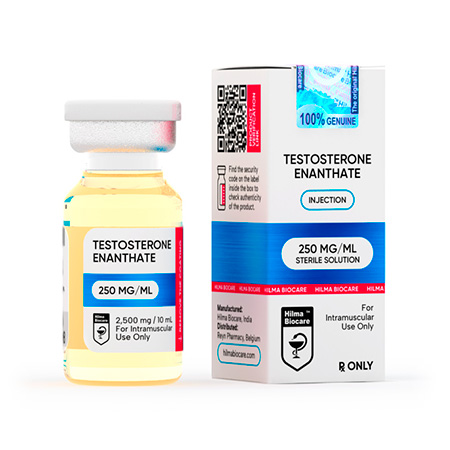
Description Testosterone Cypionate Strength: 250 mg/ml Molecular Formula: C27H40O3, Molecular Weight: 412.6047 g/mol Active Ingredient: Testosterone cypionate CAS number: 58-20-8 Dosage Form: Injectable, oil base sterile solution Route: Injection Market Status: Prescription Company: Hilma Biocare DESCRIPTION Testosterone cypionate 250 is an oil based solution for IM injection designed to release testosterone slowly from the injection site. Testosterone serum concentrations remain elevated for 7 – 10 days after IM administration. Testosterone cypionate 250 is suitable for the treatment of hypogonadism and other disorders related to androgen deficiency. Testosterone cypionate 250 has both anabolic and androgenic effects. Testosterone supplementation has been demonstrated to increase strength and growth of new muscle tissue, frequently with increases in libido. INDICATIONS Adult Males: Testosterone cypionate 250 injection is indicated for replacement therapy in conditions associated with a deficiency or absence of endogenous testosterone. Primary hypogonadism: Testicular failure due to cryptorchidism, bilateral torsion orchitis, vanishing testis syndrome, or orchidectomy. Hypogonadotropic hypogonadism: Idiopathic gonadotropin or LHRH deficiency, or pituitary-hypothalamic injury from tumors, trauma, or radiation. CLINICAL PHARMACOLOGY Testosterone and dihydrotestoste- rone are responsible for normal growth and development of the male sex organs and for maintenance of secondary sex characteristics. These effects include the growth and maturation of the prostate, seminal vesicles, penis, and scrotum; the development of male hair distribution, such as facial, pubic, chest, and axillary hair; laryngeal enlargement; vocal cord thickening: alterations in body musculature; and fat distribution and have been reported to stimulate the production of red blood cells by enhancing the production of erythropoietic stimulating factor. Male hypogonadism results from insufficient secretion of testosterone and is characterized by low serum testosterone concentrations. Symptoms associated with male hypogonadism include decreased sexual desire with or without impotence, fatigue and loss of energy, mood depression, regression of secondary sexual characteristics, and osteoporosis. Hypogonadism is a risk factor for osteoporosis in men. Androgens have been reported to increase protein anabolism and decrease protein catabolism. Nitrogen balance is improved only when there is sufficient intake of calories and protein. During exoger androgens, endogenous testosterone release may be inhibited through feedback inhibition of pituitary luteinizing hormone (LH). At large doses of exogenous androgens, spermatogenesis may also be suppressed through feedback inhibition of pituitary follicle-stimulating hormone (FSH). Esterification of testosterone at position 17 increases the lipid solubility of the testosterone molecule and prolongs the activity of the molecule by increasing its residence time. Following intramuscular administration in an oily vehicle, testosterone ester is slowly absorbed into the circulation and rapidly hydrolysed in plasma to testosterone. In a study of healthy males, a single injection of 200 mg of testosterone cypionate increased mean serum testosterone concentrations sharply to 3 times the basal levels (approximately 1350 ng/dl) at 24 hours and declined gradually to basal levels (approximately 500 ng/dl) by day 10. Circulating testosterone is chiefly bound in the serum to sex hormonebinding globulin (SHBG) and albumin. Testosterone is metabolized to various 17-ketosteroids through two different pathways. The major active metabolites of testosterone are estradiol and dihydrotestosterone. Testosterone is metabolized to DHT by steroid 5-alpha reductase located in the skin, liver, and the urogenital tract of the male. DHT binds with greater affinity to SHBG than does testosterone. ADVERSE REACTIONS Male: Gynecomastia, excessive frequency and duration of penile erections, oligospermia. Skin and Appendages: Hirsutism, male pattern baldness and acne, gynecomastia. Fluid/electrolyte Disturbances: Retention of sodium, chloride, water, potassium, calcium, and inorganic phosphates. Gastrointestinal: Nausea, cholestatic jaundice, alterations in liver function tests; rarely, hepatocellular neoplasms, peliosis hepatis, hepatic adenomas, and cholestatic hepatitis. Hematologic: Suppression of clotting factors II, V, VII, & X; bleeding in patients on anticoagulant therapy. Nervous System: Increased or decreased libido headache, anxiety, depression, and generalized paresthesia. Other: Serum lipid changes, hypercalcaemia, hypertension, oedema, priapism, and potentiation of sleep apnea. CONTRAINDICATIONS Patients with known hypersensitivity to any ingredients in this product. Patients with known or suspected carcinomas of the breast, testis, or prostate. Patients with severe heart disease, liver disease, or kidney disease or with a history of epilepsy. Products containing testosterone should not be used in women as they may cause virilization and fetal harm. PRECAUTIONS Because androgens may alter serum cholesterol concentration, caution should be used when administering these drugs to patients with a history of myocardial infarction or coronary artery disease Patients on oral anticoagulant therapy require close monitoring especially when androgens are started or stopped. Diabetics: androgens may alter the metabolism of oral hypoglycemic agents or may change insulin sensitivity in patients with diabetes mellitus which may require adjustment of dosage of insulin and other hypoglycemic drugs. PATIENT MONITORING Serum Cholesterol, HDL, LDL, TG. Hemoglobin and Hematocrit, Hepatic function tests – AST/ALT Prostatic specific antigen – PSA, Testosterone: total, free, and bioavailable. Dihydrotestosterone & Estradiol. Male patients over 40 should undergo a digital rectal examination and evaluate PSA prior to androgen use. Periodic evaluations of the prostate should continue while on androgen therapy, especially in patients with difficulty in urination or with changes in voiding habits. Use only under the supervision of a qualified physician. DOSAGE AND ADMINISTRATION Adult Male: 150 – 300mg injected IM every 1 to 2 weeks or as directed by physician. PRESENTATION Testosterone cypionate 250 mg/ml, 10ml multiple dose vial. STORAGE Store in a cool dry place between 15 – 25°C. Protectfrom light.
Related products
Sale!
$ 12.35