Hawthorne Bridge Willamette River
Hawthorne Bridge Willamette River
$ 90.88
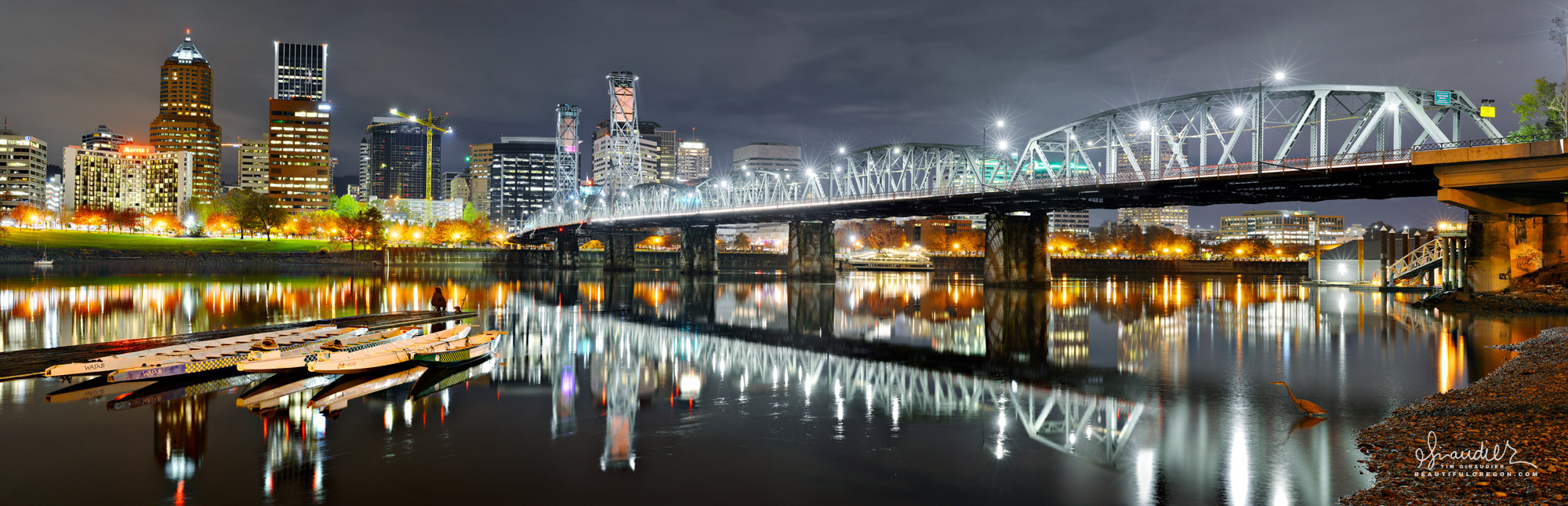
The Willamette River, Hawthorne Bridge, and the beauty of Portland’s downtown waterfront at night. Spanning the Willamette River in the heart of Portland, Oregon, the Hawthorne Bridge is more than just a functional piece of infrastructure—it’s a living symbol of the city’s history, resilience, and ongoing commitment to multimodal transportation. Completed in 1910, the bridge is the oldest operating vertical-lift bridge in the United States and one of Portland’s most recognizable landmarks. It connects the city’s east and west sides, linking the Hawthorne District to downtown and playing a vital role in shaping the urban development of the region for more than a century. The Hawthorne Bridge is named for Dr. James C. Hawthorne, a 19th-century physician and early mental health advocate whose namesake boulevard on the east side of the river eventually lent its title to the bridge. Its construction came at a time when Portland was rapidly expanding, fueled by industrial growth and a surge in population. The city’s early bridges—some made of wood and short-lived—had proven insufficient for the increasing demands of commerce, transit, and river navigation. The decision to construct a more durable and versatile bridge at this central crossing point was both practical and visionary. Designed by renowned engineer Waddell & Harrington, the Hawthorne Bridge features a vertical-lift span operated by counterweights and machinery housed in its two towers. This design allowed river traffic to pass freely beneath when needed, accommodating the heavy barge and steamboat activity that once dominated the Willamette River. Unlike many drawbridges of its era, the Hawthorne Bridge’s lift span could be raised without interrupting its approaches, minimizing disruption to land traffic—a crucial consideration in Portland’s growing urban core. When it opened on December 19, 1910, the bridge carried streetcars, pedestrians, horse-drawn wagons, and early automobiles. Its steel truss design, with riveted joints and open spans, was emblematic of the early 20th-century American approach to bridge engineering. Over time, the bridge adapted to the evolving needs of Portland’s residents. Streetcar service was phased out mid-century, replaced by lanes for cars, buses, and eventually one of the nation’s most heavily used bicycle crossings. The Hawthorne Bridge has undergone several major renovations, each carefully designed to preserve its historic character while upgrading its capacity and safety. A significant rehabilitation in 1998–99 reinforced the bridge’s structural integrity, replaced the grating deck, improved seismic performance, and added wider sidewalks to better serve Portland’s growing community of cyclists and pedestrians. Today, the bridge carries over 8,000 cyclists and 30,000 vehicles each weekday, making it a critical artery in Portland’s transportation network. Beyond its utility, the bridge has become part of the cultural and visual fabric of the city. It regularly features in photographs, civic artwork, and city branding materials. Its industrial silhouette, painted in muted tones that reflect the Pacific Northwest climate, stands in elegant contrast to the natural beauty of the Willamette River below and the skyline of Portland rising behind it. The Hawthorne Bridge is not merely a product of steel and engineering; it represents a philosophy. Its long service life, adaptability, and multimodal function reflect Portland’s broader ethos: a city that values connection, sustainability, and the thoughtful integration of old and new. As it enters its second century of service, the bridge remains a powerful symbol of how infrastructure can transcend its practical purpose to become a defining element of place and identity. Bridge, Multnomah County, Night Photography, ODOT, Portland Oregon, Willamette River
Related products
Sale!
$ 57.60
Sale!